


Discover Fun Facts About Razors
Razors are familiar tools, yet they are often said to embody precision technology and a long history.
The more you learn about their history and proper care, the more fascinating and useful facts you may discover
TRIVIA 01
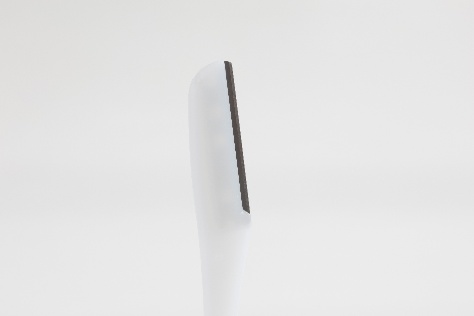
The blade tip is said to be about 1/50th the thickness of a hair
The tip of a razor blade is often said to be about 1/50th the thickness of a human hair. A carefully sharpened blade may be finished with an accuracy of approximately 0.1 microns. Such an ultra-fine edge is believed to help cut hair smoothly while reducing stress on the skin. The craftsmanship of Seki City, combined with modern precision processing technology, is said to result in blades so sharp they may appear almost invisible.

TRIVIA 02
Were razors used in ancient Egypt?
The history of razors is long, and tools made from copper and bronze are believed to have been used in ancient Egypt. Razors are thought to have developed as grooming tools, as people trimmed their beards and hair for religious ceremonies and hygienic purposes. By the Iron Age, razor sharpness is said to have improved further, and distinctive shapes and cultural practices are believed to have emerged in different parts of the world. Modern razors are often regarded as an extension of this long history.

TRIVIA 03
Does a razor lose sharpness mainly because of a “nicked blade”?
When a razor seems less sharp, it is often assumed that the blade has been nicked. However, it is commonly said that the edge more often becomes rounded through normal wear. This microscopic dulling can cause the blade to catch hair more easily. Continued use under such conditions is believed to increase the risk of skin irritation, so regular blade replacement is generally considered important for maintaining a smooth shave.

TRIVIA 04
Proper storage: Humid environments may not be ideal
Leaving a used razor in a humid place such as a bathroom may lead to rust or deterioration of the blade. This may result in reduced sharpness and possible skin irritation. It is therefore considered important to wipe away moisture after use and store the razor in a dry location. Using anti-rust blade caps or a dedicated case may also help extend the blade’s lifespan.
TRIVIA 05
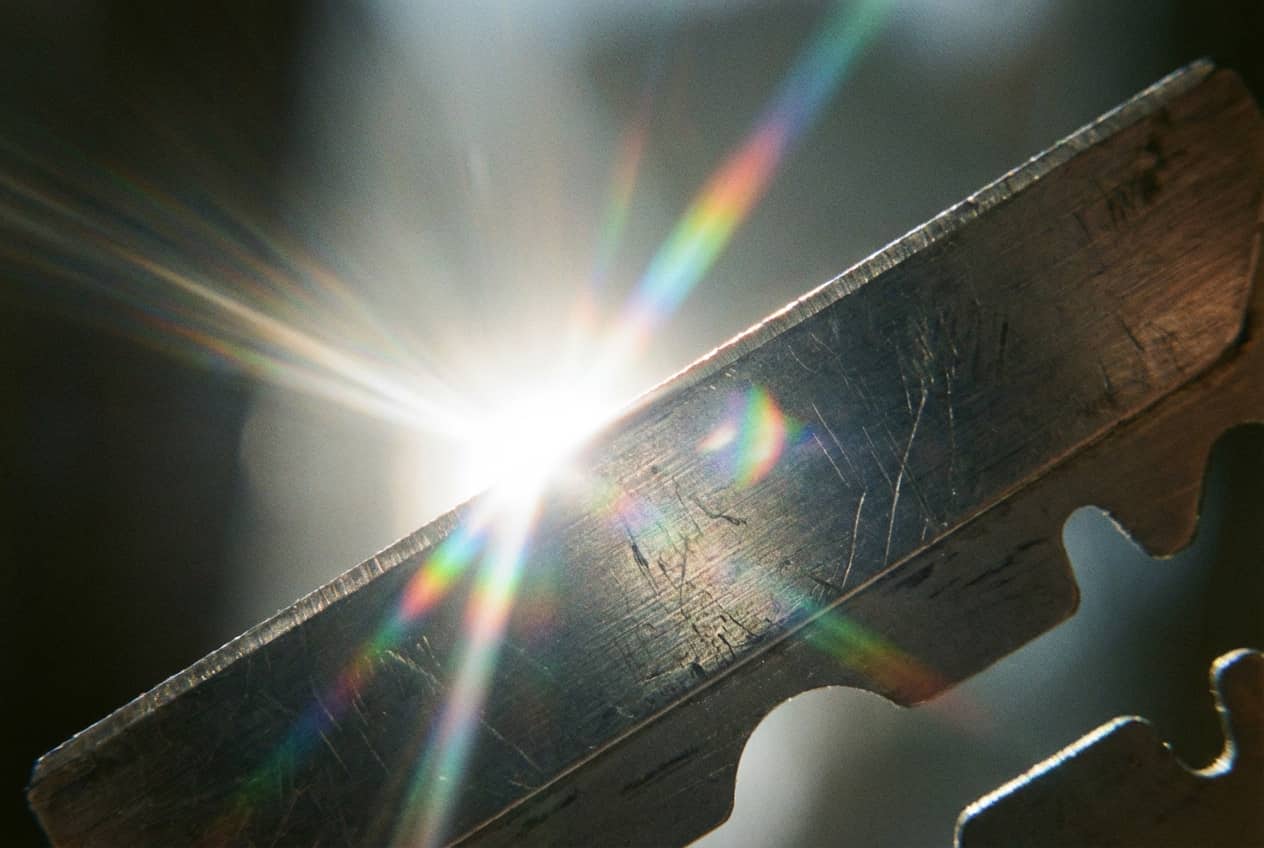
Among the thinnest blades in everyday use
Razor blades are often said to be among the thinnest cutting blades used in daily life. While some very thin knives may measure around 0.2 mm (approx. 0.008 in), razor blades are generally said to be about 0.15 mm (approx. 0.0059 in), and some multi-blade razors may use blades thinner than 0.1 mm (approx. 0.0039 in). In general, thinner blades are believed to provide sharper cutting performance, although durability may decrease. Men’s beard hair is sometimes said to be as tough as copper wire.

TRIVIA 06
Connections with Buddhist practices
Depending on the sect, a ritual known as “Okamisori” may be performed at funerals. The term is written with the kanji for razor and is believed to originate from the shaving ritual performed when a person became a monk. Incidentally, Oda Nobunaga is sometimes said to have been among the early users of razors in Japan.
TRIVIA 07
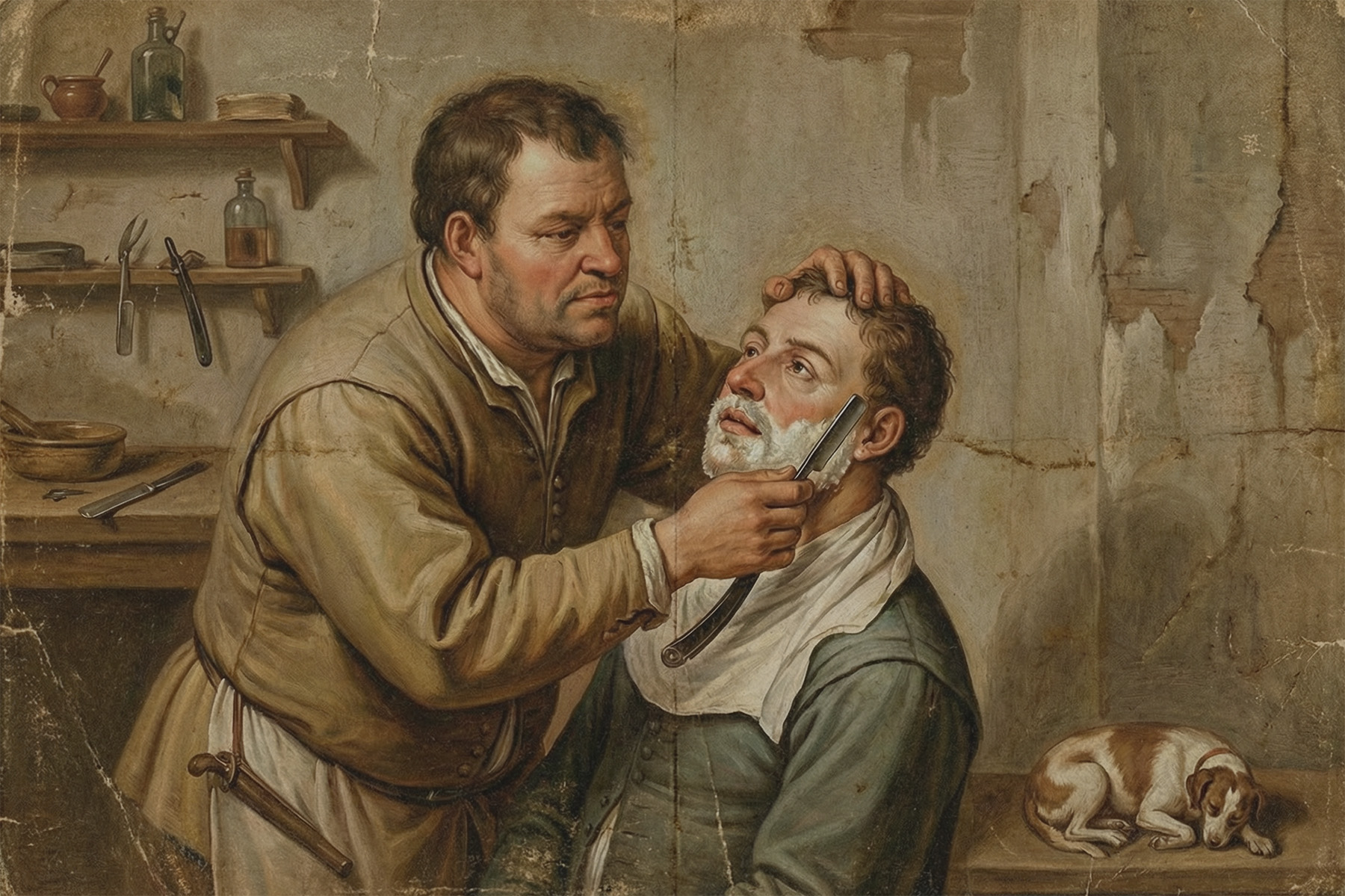
Origin of the word “razor”
The English word “razor” is commonly used to refer to shaving tools. Its origin is said to trace back to the medieval French word “rasour” (around the 1300s), which is believed to derive from “rasor” or “raseor,” meaning “to shave” or “to scrape.” Going back further, the term is thought to come from the Late Latin word “rasare.” The word “razor” itself is often regarded as having a long linguistic history.