
CUTLERY TOWN! SEKI CITY
Seki City in Gifu Prefecture, where NIKKEN RAZOR is based, is one of Japan’s major cutlery production areas. Its origins date back about 700 years to the late Kamakura period, when the swordsmith Motoshige began forging swords in the area.
Blessed with high-quality water, clay, and charcoal, Seki swords—known for being “unbreakable, unbendable, and exceptionally sharp”—were favored by samurai warlords during Japan’s age of civil war.
In the Edo period, production shifted to everyday cutting tools such as kitchen knives and traditional Japanese scissors. From the Meiji era onward, the manufacture of Western-style scissors and knives was added, helping to spread the name “SEKI” throughout the world.
Today, high-quality knives and scissors that combine traditional craftsmanship with advanced technology continue to be highly valued both in Japan and overseas. Seki continues to carry on its tradition and innovation as a town of cutlery.
Origins
Late Kamakura To Muromachi Period
(from the late Kamakura Period to the Muromachi Period)
It is said that the cutlery industry in Seki began around 700 years ago, when the swordsmith Motoshige moved to the area in the late Kamakura period.
Seki offered an ideal environment for sword forging, blessed with high-quality clay used in the hardening process, pine charcoal, and water from the Nagara River.
During the Sengoku period (Japan’s age of civil war), more than 300 swordsmiths are said to have been active in Seki.
Swords from Seki, known for being “unbreakable, unbendable, and exceptionally sharp,” were favored by military leaders.
Historical records indicate that Oda Nobunaga and Saito Dosan also favored swords made in Seki.

Shift in demand
Edo to Meiji Period
(from the Edo Period to the Meiji Era)
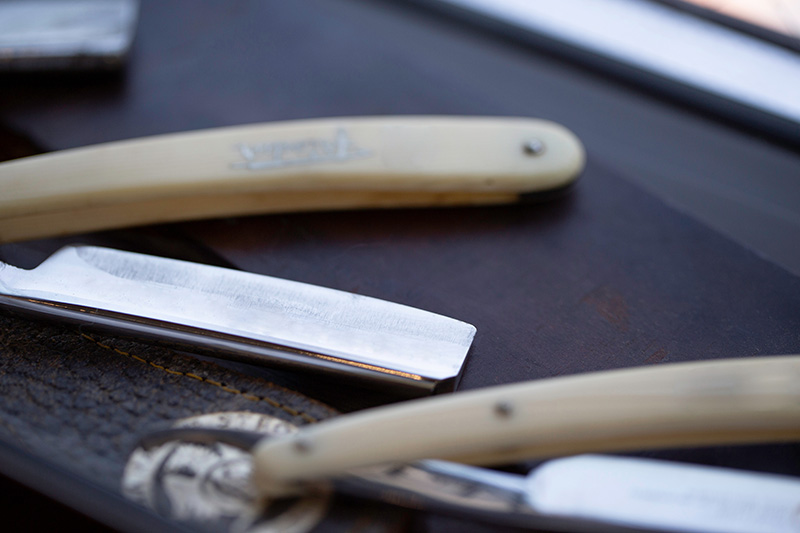
As Japan entered the peaceful Edo period, demand for swords declined.
Swordsmiths applied their skills to the production of everyday cutting tools such as kitchen knives, agricultural tools, traditional Japanese scissors, and razors.
This transition laid the foundation for Seki’s development as a town known for its cutlery industry.
Expansion of razor manufacturing
Prewar to postwar period (before and after world war II)
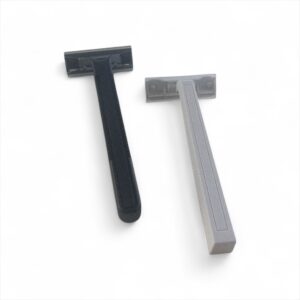
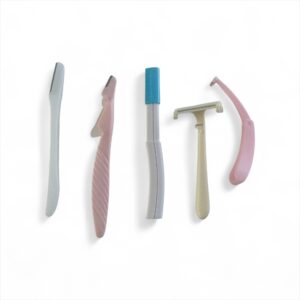
In Seki City, traditional Japanese straight razors had been produced since the Edo period.
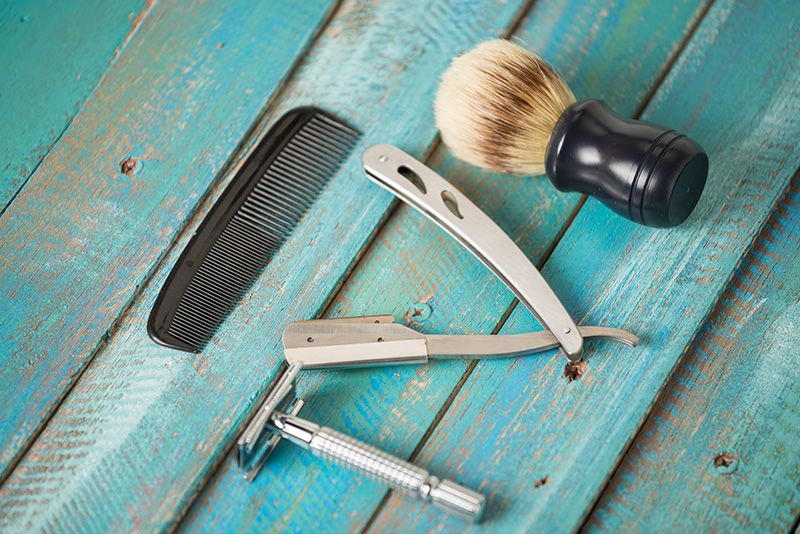
From the Meiji era onward, the manufacture of Western-style double-edge razors and safety razors began.
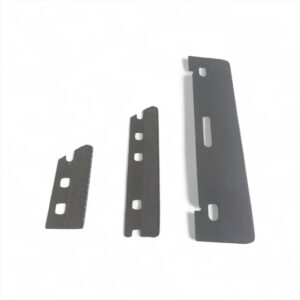
After World War II, production expanded to include professional replacement-blade razors for the barber and beauty industries, as well as razors for household use

Transformation of demand
Modern era
Razor manufacturers gradually concentrated in Seki City, and exports to overseas markets expanded, leading to worldwide recognition of the name “SEKI.”
The products of NIKKEN RAZOR also incorporate polishing and heat-treatment techniques inherited from traditional swordsmithing.
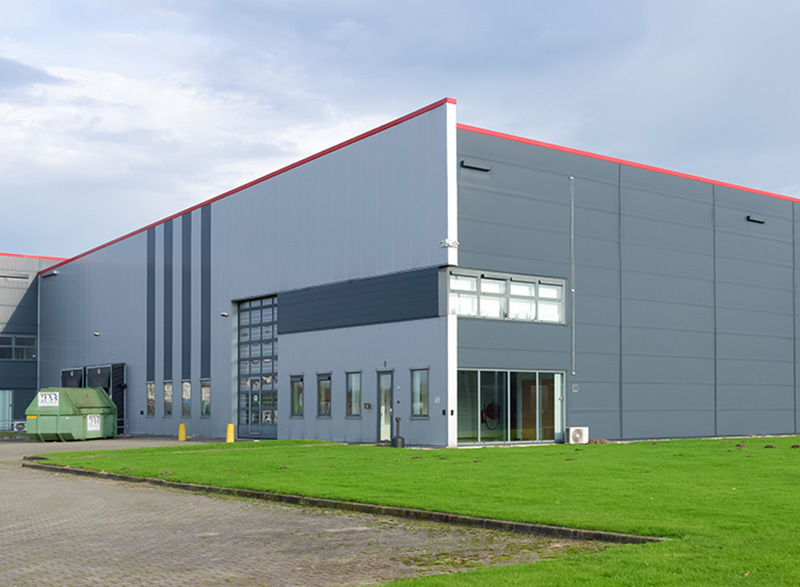
Craftsmanship rooted in tradition and innovation
Our company was founded in Seki City, where we have continued to refine our technologies together with local cutlery craftsmen. We continue to evolve by adopting environmentally considerate production methods that help protect the waters of the Nagara River, and by introducing the latest precision processing technologies. The fusion of 700 years of tradition and modern technology is the reason our products are trusted by customers around the world.
With 700 years of history and pride, Seki City continues to produce cutlery that is competitive worldwide. Our razors are also born from the traditions and technologies of this region. We invite you to experience their sharpness and gentleness on your skin.